Roehampton University upholstery cleaning and care
Posted on 04/09/2026
Roehampton University upholstery cleaning and care: a practical guide for fresher, longer-lasting furniture
If you live, study, work, or manage accommodation near Roehampton University, upholstery cleaning and care can make a bigger difference than people expect. Sofas, dining chairs, desk chairs, stools, and occasional seating all take a beating from daily use, spilled drinks, damp weather, and the general pace of shared living. And let's be honest, a tired-looking armchair can make an otherwise tidy room feel a bit neglected.
This guide explains Roehampton University upholstery cleaning and care in plain English: what it involves, why it matters, how the process works, and how to avoid the mistakes that shorten fabric life. You'll also find a checklist, a comparison table, and practical advice for homes, student lets, offices, and rented spaces across SW15. If you want a broader view of local services, you can also explore the services overview or read more about upholstery cleaning in Roehampton.

Why Roehampton University upholstery cleaning and care Matters
Upholstery does more than fill a room. It absorbs daily life. That sounds a little dramatic, but it's true. Fabric and cushions pick up dust, body oils, food crumbs, pet hair, pollen, and moisture from shoes, coats, and the simple coming-and-going of busy people. In a student or university-adjacent setting, that often happens faster than expected.
Near Roehampton University, furniture may be used by multiple occupants, guests, or changing tenants. That means fabrics tend to face a mix of wear patterns: patchy dirt on armrests, drink rings on seat bases, flattened pile on the front edge of cushions, and odours that don't quite vanish with a quick vacuum. If ignored, these small issues build up. The sofa still works, of course, but it stops looking cared for.
Good upholstery care matters because it helps you:
- extend the life of sofas, armchairs, ottomans, and dining chairs
- keep living spaces more hygienic and welcoming
- reduce the risk of permanent staining
- protect fabric texture, colour, and shape
- present rooms better for visitors, inspections, or new occupants
That last point matters more than people think. First impressions happen fast. A clean chair, a fresh-smelling sofa, and well-kept seating can make a flat feel calm rather than chaotic. If you're preparing a property for handover or refreshing a shared space, combining upholstery care with deep cleaning in Roehampton can be a sensible move.
How Roehampton University upholstery cleaning and care Works
Professional upholstery cleaning is not just a stronger version of a vacuum. A careful service starts with identification, because fabric type, dye stability, stain history, and padding all affect the safest method. To be fair, this is where a lot of DIY efforts go sideways. What works on one fabric can be a disaster on another.
A typical cleaning and care process usually includes:
- Inspection - the cleaner checks the fabric type, seams, trim, labels, high-wear zones, and visible marks.
- Testing - a small hidden area may be tested for colourfastness and moisture tolerance.
- Pre-treatment - loose dust and surface debris are removed, and selected stains may be treated with a fabric-appropriate solution.
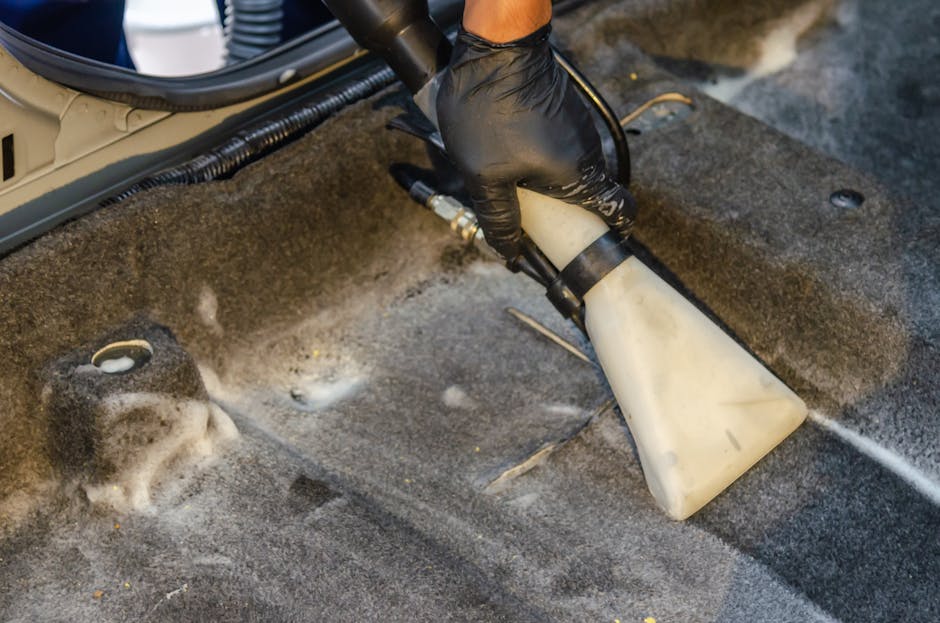
- Deep cleaning - depending on the textile, this may involve low-moisture extraction, controlled hot-water extraction, or specialist hand-cleaning.
- Rinse or neutralise - residues are reduced so the fabric does not attract dirt too quickly after cleaning.
- Drying and grooming - the fabric is settled, brushed where needed, and left to dry with good airflow.
For more robust or regularly used pieces, upholstery care should not stop at cleaning day. It should include ongoing habits: routine vacuuming, quick spill response, rotation of cushions, and sensible fabric protection measures. That's the part people skip. Then, a year later, everyone is surprised the arm of the sofa looks tired.
If your furniture is part of a broader clean-up project, seasonal refresh, or moving-out checklist, it may help to compare upholstery care with spring cleaning in Roehampton or one-off cleaning support.
Key Benefits and Practical Advantages
The obvious benefit is appearance. Cleaner upholstery looks brighter, smells fresher, and makes a room feel more put together. But the real value goes deeper than that. Furniture is an investment, especially in student lets, shared houses, or office reception areas where replacement costs are not trivial.
Here are the main practical gains:
- Longer fabric life - dirt particles act a bit like grit. They abrade fibres over time.
- Better indoor comfort - well-maintained upholstery can reduce the stale, musty feeling that sometimes builds up in enclosed rooms.
- More manageable maintenance - regular care makes later cleaning easier and more effective.
- Improved presentation - ideal if you host guests, clients, or new tenants.
- Less stress during handovers - furniture that's already in good condition is one less thing to worry about.
There is also a quieter benefit: confidence. You notice it when you sit down on a chair that feels properly clean. The room seems calmer. Small thing, maybe. But it changes how a space feels.
Expert summary: The best upholstery care is not about aggressive cleaning. It is about matching the right method to the right fabric, then maintaining it consistently so the furniture stays usable, presentable, and less prone to costly damage.
Who This Is For and When It Makes Sense
Roehampton University upholstery cleaning and care is relevant to a wide range of people, not only students. In fact, the most common need often comes from shared households and managed properties where furniture sees daily, rotating use.
This guide is especially useful if you are:
- a student in shared accommodation who wants a fresher room without replacing furniture
- a landlord or letting agent preparing a property for inspection or new tenants
- a homeowner near the university area with family seating that's taking a beating
- an office manager maintaining waiting-room chairs or breakout seating
- a tenant at the end of a lease trying to restore furniture appearance responsibly
- someone preparing for guests, housemates, or a move
It makes sense to book or plan cleaning when you see any of the following:
- noticeable darkening on armrests or headrests
- spills that have left a visible tide mark
- odours that linger after airing the room
- allergy flare-ups that seem worse around fabric furniture
- flattened or dull-looking cushions
- a general sense that the room looks clean, but not quite fresh
If you're managing turnover or end-of-tenancy work, upholstery care often sits naturally alongside end of tenancy cleaning in Roehampton. For day-to-day upkeep in homes, you may also find domestic cleaning services useful as part of a broader plan.
Step-by-Step Guidance
If you want the short version, here it is: identify the fabric, protect the area, clean gently, and dry properly. But there's a little more to it if you want results that last.
1. Identify the material first
Before you touch a stain, check what you're dealing with. Cotton, wool blends, polyester, velvet, suede-like fabrics, and synthetic microfibres all behave differently. A fabric label, if present, can be helpful. If there's no label, proceed cautiously. This is not the moment for heroic optimism.
2. Remove dry debris
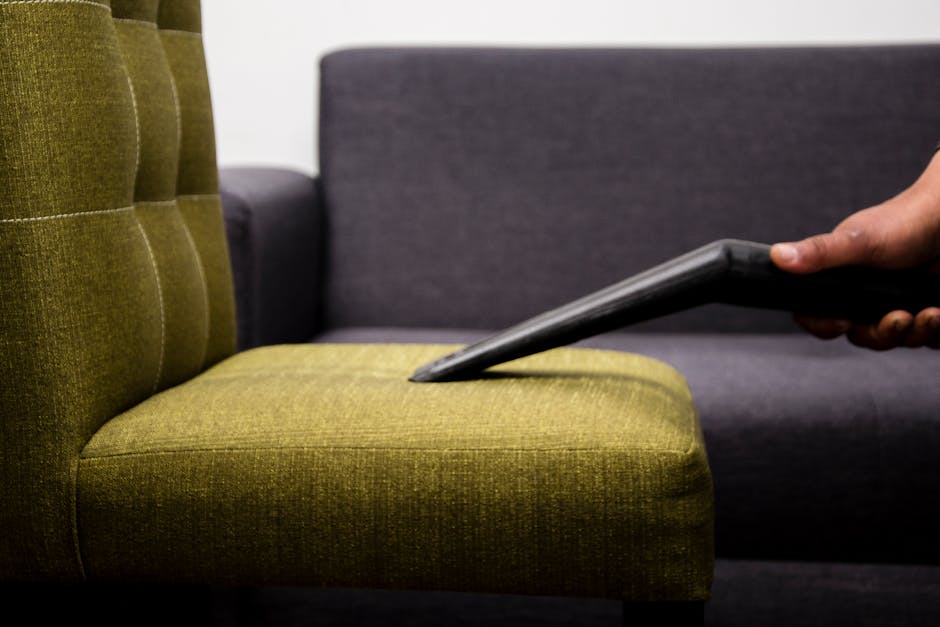
Use a vacuum with an upholstery attachment to remove crumbs, dust, and grit. Work slowly around seams, piping, and creases. The hidden dirt is often where wear starts, especially along seat edges and under cushions.
3. Treat stains with care
Spot treatment should be minimal and controlled. Dab, don't scrub. Start with the least aggressive option suitable for the fabric. A common mistake is soaking the stain. That can spread the mark deeper into the padding and leave a bigger halo than the original spill. Annoying, I know.
4. Clean the full fabric surface evenly
Even if one patch looks worse than the rest, the whole seating surface may need attention to avoid visible cleaning rings. That's especially true on sofas and dining chairs where wear is uneven. A patchy result can look almost worse than the original stain.
5. Control moisture and drying
Over-wetting is a common issue. Upholstery should dry with good ventilation, not be left damp in a warm room with the windows shut. Open airflow, sensible temperature, and patience matter here. If the cushions still feel cool or heavy hours later, they may need more drying time.
6. Finish with maintenance
Once clean, brush or reset pile where needed, replace covers if applicable, and consider how the furniture will be used next. A clean sofa in a busy student flat will not stay clean for long without basic habits.
Expert Tips for Better Results
After a while, upholstery care becomes less about cleaning "harder" and more about being a bit clever about timing and prevention. Here are the tips that tend to make the biggest difference.
- Vacuum weekly if the furniture is heavily used. Less often for low-use rooms, but don't let dust settle for months.
- Rotate cushions. If one seat gets all the use, it will always show first.
- Act quickly on spills. Blot immediately with a clean cloth before the spill has time to spread.
- Watch for sunlight. Bright windows are lovely, but strong direct light can fade some fabrics over time.
- Use throws strategically. Not as a cover-up for neglect, but as a useful layer on high-wear seating.
- Test hidden areas. If you're cleaning yourself, always check a concealed corner first.
- Keep hands and feet off pale fabric where possible. Sounds obvious. Yet somehow the sofa arm becomes the unofficial landing pad for everything.
In our experience, the biggest improvement often comes from small consistency rather than one dramatic deep clean. Five quiet habits beat one frantic rescue job most of the time.
For a fresh start on a larger property refresh, some readers also pair upholstery care with carpet cleaning in Roehampton or broader house cleaning support.
Common Mistakes to Avoid
People usually damage upholstery through enthusiasm rather than neglect. They mean well. That's the funny part.
- Scrubbing stains aggressively - this can rough up fibres and spread the mark.
- Using too much water - moisture can push dirt deeper and slow drying.
- Skipping a test patch - a safe-looking cleaner can still affect dye or texture.
- Ignoring the padding - what looks like a surface problem may already be inside the cushion.
- Using random household products - vinegar, bleach, and strong sprays are not universal solutions.
- Cleaning only the visible stain - this can leave rings or mismatched colour on the surrounding fabric.
- Forgetting ventilation - poor airflow can leave upholstery smelling damp even after it looks clean.
A useful rule: if you're not sure whether the method suits the fabric, slow down. Do not guess. Furniture is much easier to maintain than to repair, and that distinction matters.
Tools, Resources and Recommendations
You do not need a shed full of specialist kit to care for upholstery well. In fact, a few reliable basics are usually enough for regular upkeep.
- Upholstery vacuum attachment - useful for seams, cushions, and fabric surfaces.
- Soft-bristled brush - helps lift dirt from textured fabrics without roughing them up.
- Microfibre cloths - handy for blotting spills gently.
- White towels - useful when transferring moisture or checking for dye bleed.
- Fan or open-window ventilation - simple, but very effective for drying.
- Fabric-safe spot treatment - only if suitable for the textile and tested first.
For those comparing cleaning plans, it can help to review pricing and quotes before booking, especially if you are weighing upholstery against a larger clean. If you're preparing multiple rooms or a whole property, one-off cleaning may be a practical option.
When the job involves several surfaces, it's often worth thinking about the home as a whole instead of isolating one chair or sofa. A room with clean upholstery but dusty carpets, for example, still feels half-finished. Slightly unfair, but true.
Law, Compliance, Standards, or Best Practice
Upholstery cleaning is not usually a heavily regulated activity in itself, but there are still sensible standards and duties to keep in mind. In residential, rental, and workplace settings, the main aim is safe, appropriate cleaning that avoids damage to property or risk to occupants.
Good practice generally includes:
- using suitable products and methods for the specific fabric
- following the manufacturer's care instructions where available
- avoiding unsafe mixing of chemicals
- ensuring the area is ventilated during and after cleaning
- using electrical equipment properly and checking it is in safe condition
- taking extra caution with delicate, antique, or unknown materials
For landlords, office managers, and anyone responsible for shared spaces, there is also a broader duty of care to keep furnishings reasonably safe and presentable. That does not mean perfection every day. It does mean not ignoring obvious wear, staining, or dampness if it could affect comfort or safety.
If a property's furniture is part of a move-out or inspection process, cleaning should be documented sensibly and done in line with the agreement in place. If you're not sure what is expected, it is better to check terms early than argue about a fabric stain on the last day. Nobody enjoys that chat.
For reassurance on service standards and customer expectations, you can review the company's health and safety policy and insurance and safety information.
Options, Methods, or Comparison Table
Different upholstery materials and situations call for different approaches. A quick comparison can help you decide what makes sense before you book or attempt anything yourself.
| Method | Best for | Pros | Watch-outs |
|---|---|---|---|
| Vacuuming and routine care | Weekly maintenance on most fabrics | Cheap, fast, prevents dirt build-up | Won't remove deep stains or odours |
| Light spot cleaning | Fresh spills and isolated marks | Quick response, low disruption | Can leave rings if overused or uneven |
| Low-moisture upholstery cleaning | Delicate or moisture-sensitive fabrics | Shorter drying time, controlled process | May need repeat work for heavy soiling |
| Hot-water extraction | Durable fabrics with embedded dirt | Strong deep-clean effect | Not ideal for all textiles; drying must be managed |
| Specialist fabric treatment | Velvet, wool blends, antique or high-value pieces | More careful and fabric-specific | Usually slower and more methodical |
The right choice depends on the fabric, condition, and how quickly the piece needs to be used again. A student sofa that must be back in service by tonight is a very different brief from a formal lounge chair that can dry overnight. Common sense helps a lot here.
Case Study or Real-World Example
Here's a realistic example. A shared flat near Roehampton University had a pale fabric sofa in the living room. It looked fine from a distance, but close up there was a dark patch on one arm, a faint drink mark near the seat edge, and a general grey cast from months of use. The tenants had been wiping it with household spray now and then, but not much more.
The first step was simple inspection. The fabric was synthetic, which made it more forgiving than a delicate weave, but it still needed controlled cleaning. Loose debris was vacuumed out of the seams. The visible stain was treated carefully, then the whole seating area was cleaned so the result wouldn't look patchy. A fan and open windows helped drying, and the cushions were rotated afterwards so wear was more even.
The surprise, honestly, was how much fresher the whole room felt. Not just the sofa. The space as a whole. One of those "oh, that's better" moments. The kind you notice immediately when you walk in after the job is done.
That same approach works well in small office lounges too. A clean set of chairs and a neat sofa can change how people perceive the room, even if they can't quite say why.
Practical Checklist
Use this checklist before and after upholstery cleaning:
- identify the fabric type if possible
- check labels or care instructions
- vacuum the full piece, including seams and corners
- test any cleaning solution in a hidden area
- treat spills gently by blotting, not scrubbing
- avoid over-wetting the fabric
- clean the whole visible area to prevent patchiness
- allow plenty of airflow for drying
- rotate cushions after cleaning
- inspect for lingering marks or damp patches
- store or use the furniture only once it is fully dry
- schedule regular maintenance rather than waiting for a crisis
If you are tackling the whole property, it may help to line upholstery work up with spring cleaning in Roehampton or a broader deep clean. That way, one good clean supports the others.
Conclusion
Roehampton University upholstery cleaning and care is really about protecting the furniture people rely on every day. Whether it's a sofa in a student flat, dining chairs in a family home, or seating in a shared office, the same principle applies: clean gently, maintain regularly, and act early when spills or wear appear.
The best results come from matching the method to the material, drying properly, and keeping up with simple habits between cleans. That approach saves time, money, and a fair amount of frustration. And it keeps your rooms feeling like places you want to spend time in, which is the whole point.
Get a free quote today and see how much you can save.
If you'd like to speak with a local team about furniture care, you can use the contact page or send details through the quote request form. If you're browsing more local cleaning advice, the blog is a good place to start.